The Pamlico River has long been a source of both historical significance and environmental treasures for Eastern North Carolina. Since the earliest English settlements in the 1690s, its shores have played an important role in shaping the region's identity and economy. Along the river sits Bath, North Carolina's first incorporated town and the former home of the infamous pirate Blackbeard. Further upriver, Washington was founded in 1776 as the first town in America named in honor of General George Washington. Today, locals proudly refer to Washington as "The Original" in recognition of its historic distinction.
Beyond its historical legacy, the Pamlico River continues to serve as a vital environmental and economic resource for Beaufort County and the broader Eastern North Carolina region. As part of the expansive Pamlico Sound estuary system, one of the largest estuarine environments in the world. The river provides critical habitat for a wide variety of coastal marine life, including fish, shrimp, blue crabs, and oysters. The Pamlico River remains not only a defining natural landmark, but also an enduring foundation of the area's culture, economy, and way of life.
Ways To Explore:
Aurora Fossil Museum
Prehistoric shark teeth, shells, coral, and even Megalodons are yours for the finding at the fossil pits outside of the Aurora Fossil Museum. Bring your own sand sifter and walk away with a discovery. Inside the museum learn about the unique natural history of the coastal plains of North Carolina. Explore exhibits featuring Native American artifacts, fossils of all shapes and sizes. You may even walk away with your own precious gem.
Belhaven Memorial Museum
Housed in the former City Hall of Belhaven, North Carolina, this collection features the lifelong relics and treasures of local resident Mrs. Eva Blount Way (1869-1962). The museum showcases unique artifacts from across Eastern North Carolina, including farming implements, Civil War and World War-era memorabilia, and one of the region's largest collections of buttons.
Historic Bath Site
Historic Bath, founded in 1705, was North Carolina's first town to emerge following European settlement in the 1690s. By the early 1700s, it became the state's first port, despite having only about 50 residents and 12 houses. Bath endured years of political rivalries, conflicts with Native tribes, and piracy. Today, visitors can explore historic homes and artifacts, discover how early settlers lived, and learn how Bath nearly became the colony's capital.
North Carolina Estuarium
You can't head to Washington without experiencing the Pamlico River in all its glory. One of the best places to do that is at the North Carolina Estuarium. This Estuarium is an interactive center that explores where saltwater and freshwater mix. Washington has more estuarine waters than anywhere else on the East Coast, and these waters create unique habitats for many fish species.
P.S. Jones African American Education Museum
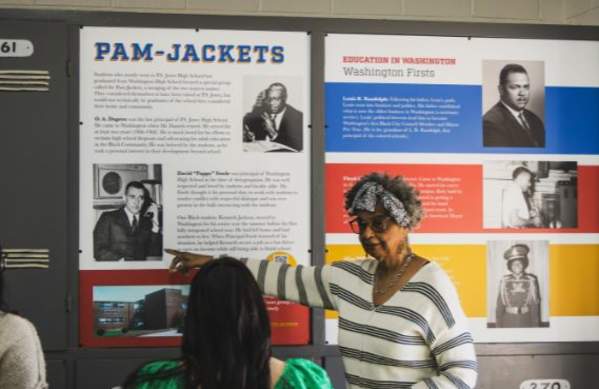
Step inside the P.S. Jones Museum of African American Education to explore the powerful story of African American education in Beaufort County and across North Carolina. This state-of-the-art museum traces more than a century of history, from the era when segregation was codified into law following the Civil War through the hard-fought years of school integration in the 1950s.
Washington Waterfront Underground Railroad Museum
The Washington Waterfront Underground Railroad Museum is a National Park Service Underground Railroad Network to Freedom Facility dedicated to telling the story of freedom seekers from the Greater Washington, NC region. Through extensive research of historic documents, narratives of formerly enslaved individuals, and archival materials housed in university libraries across North Carolina and the country, the museum shares powerful accounts of courageous escape attempts. Many of these journeys led to freedom in Northern states, Canada, Florida, the Caribbean Islands, and beyond.
Washington's Museum of The Pamlico
Coming soon! This summer, the grand opening of the Museum on the Pamlico in Washington on Friday, July 3, will serve as a major highlight of the 250th celebration. Featuring artifacts from the early colonial period through the Civil War, the museum will be housed in the historic Atlantic Coast Line Terminal, built in 1904 when railroads began rivaling local waterways as vital trade routes. The museum will connect visitors to Washington's commercial growth and its role in America's broader story.
Take An Audio Tour:
Hosted by passionate local historians, each tour brings the past to life through carefully researched historical documents, firsthand accounts, and rich oral histories passed down through generations. More than simple sightseeing experiences, these tours offer an immersive journey through the people, events, and defining moments that shaped our community and connected it to the broader story of Washington's founding and growth.
Featured experiences include the Washington Haunts Tour, which explores the legends and mysteries of the city's historic waterfront and neighborhoods; the Historic Port of Washington Tour, which highlights the city's role as a thriving river port and commercial center; and the African American History Tour, which honors the stories, achievements, and lasting contributions of African American residents throughout the region's history. Click here